menu
de
en
guidanceAbout us
houseboats
Houseboats overviewhouseboatsFloating HomesTraditional shipsspecial buildingsUsed houseboats
counsels
promptingsdrinking waterHull shapesmaterialsTechnology on boardLegalmooringsfundinginsuranceRent a houseboataluminum pontoons
Buy a houseboatMaritime Fachkräfteblogcontact
Open gallery

Traditional ship

Antrieb
draught
fuselage shape
CE category
description

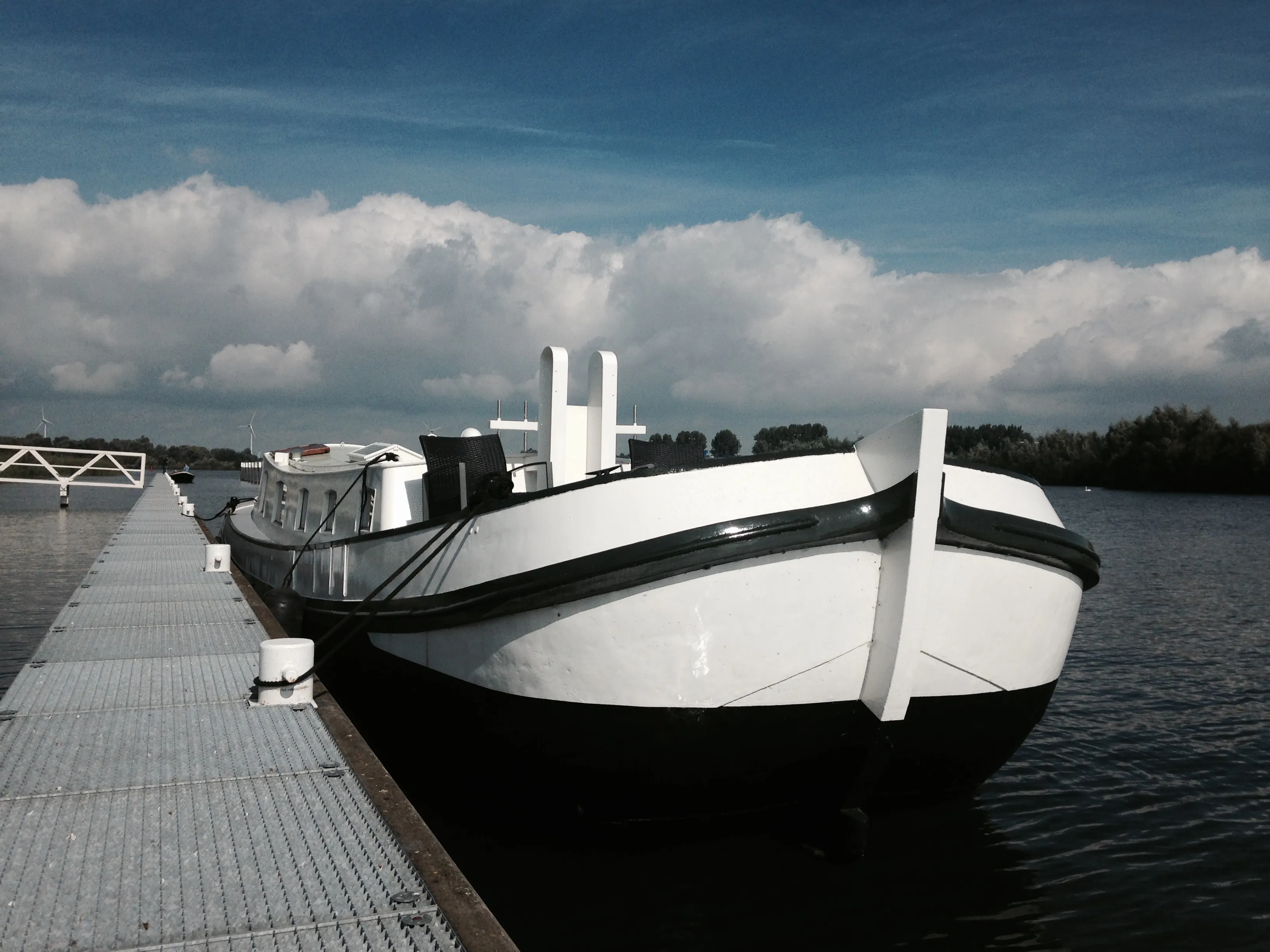
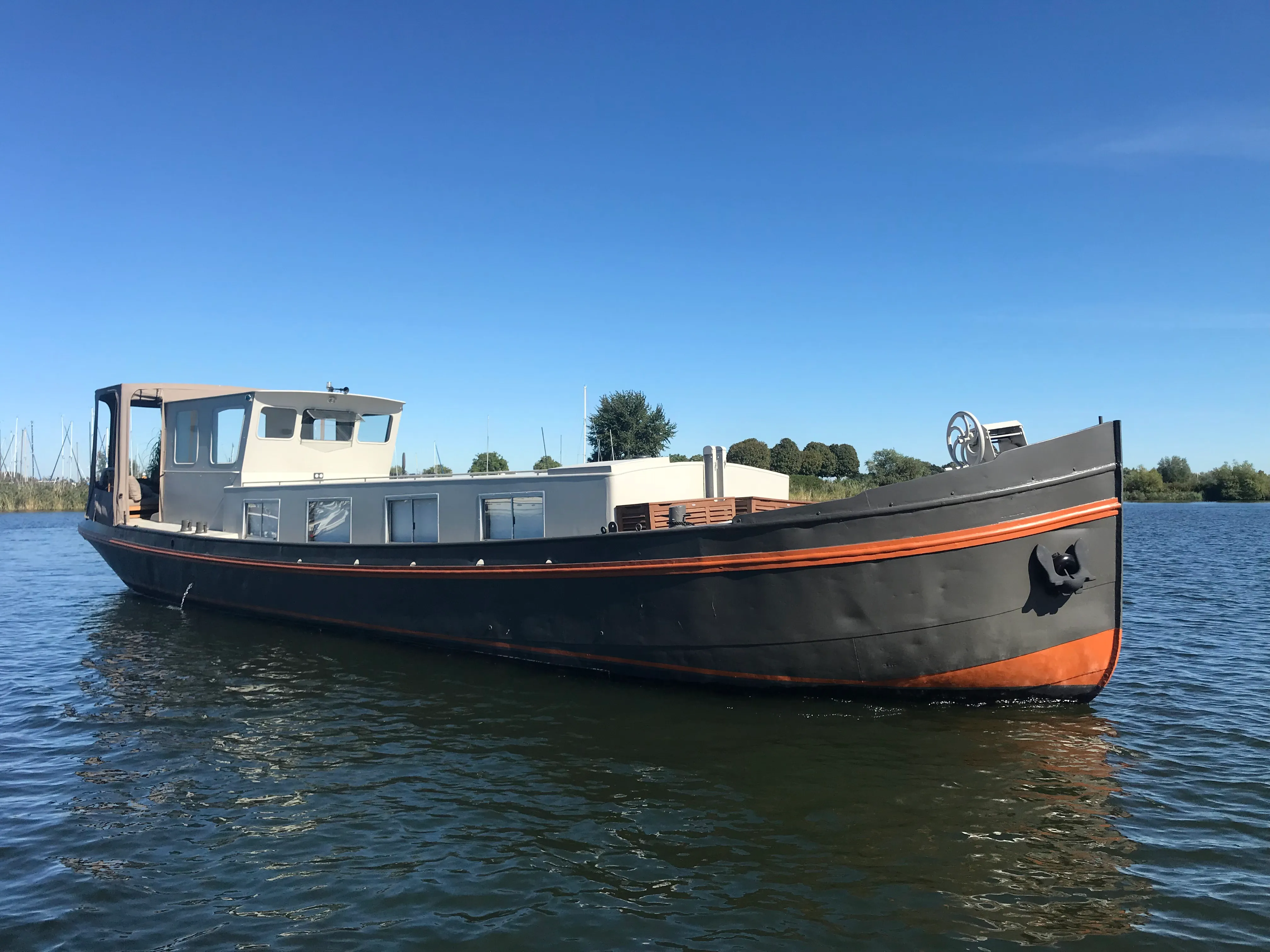
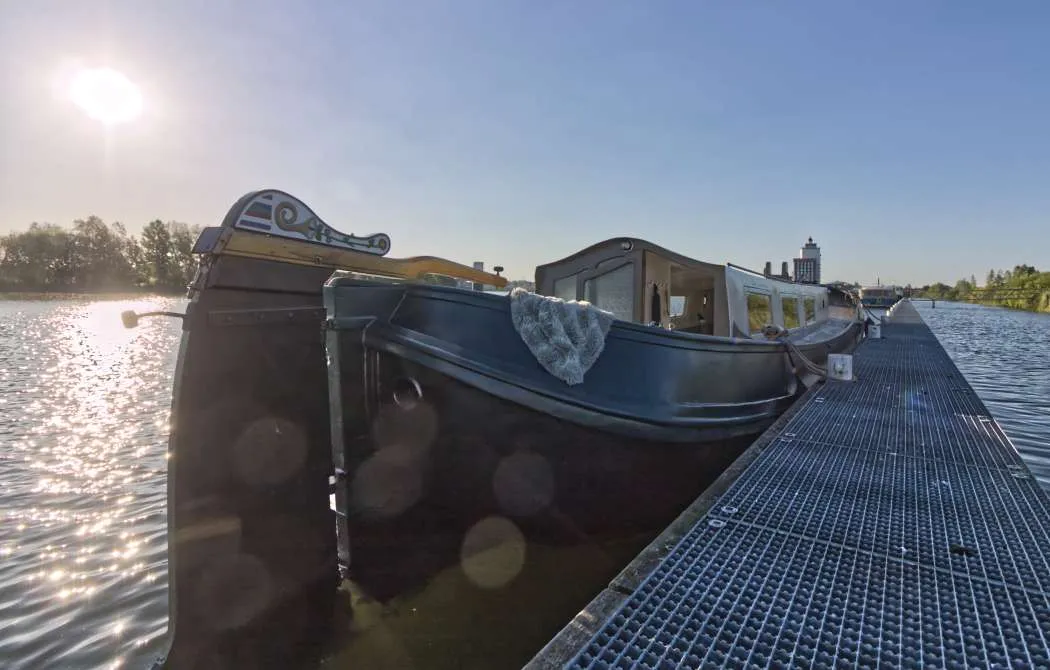
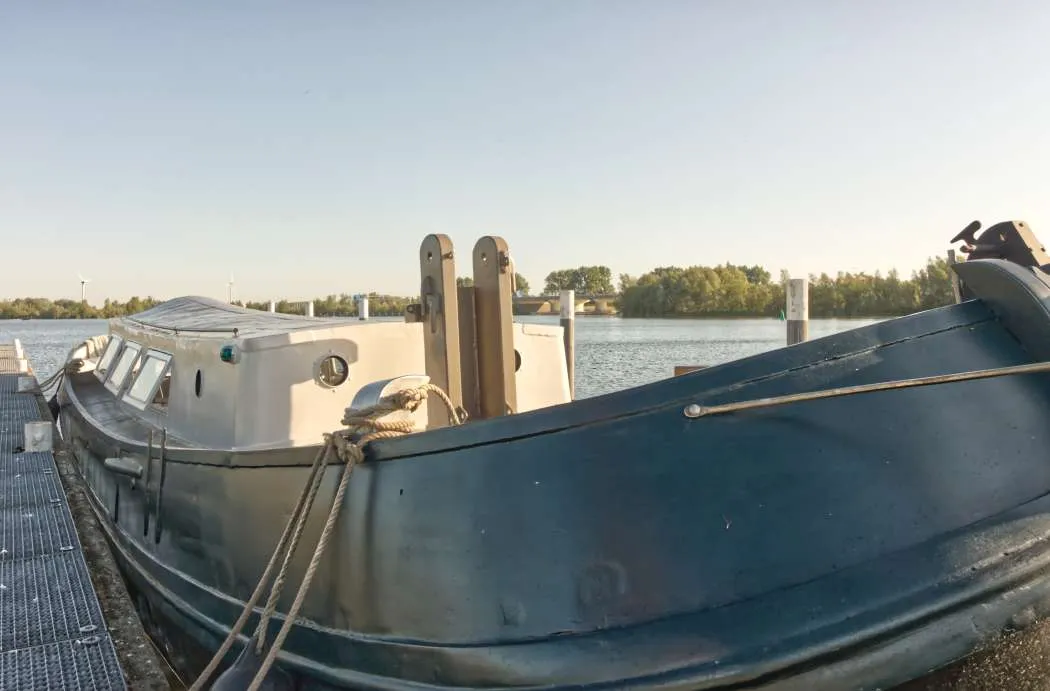
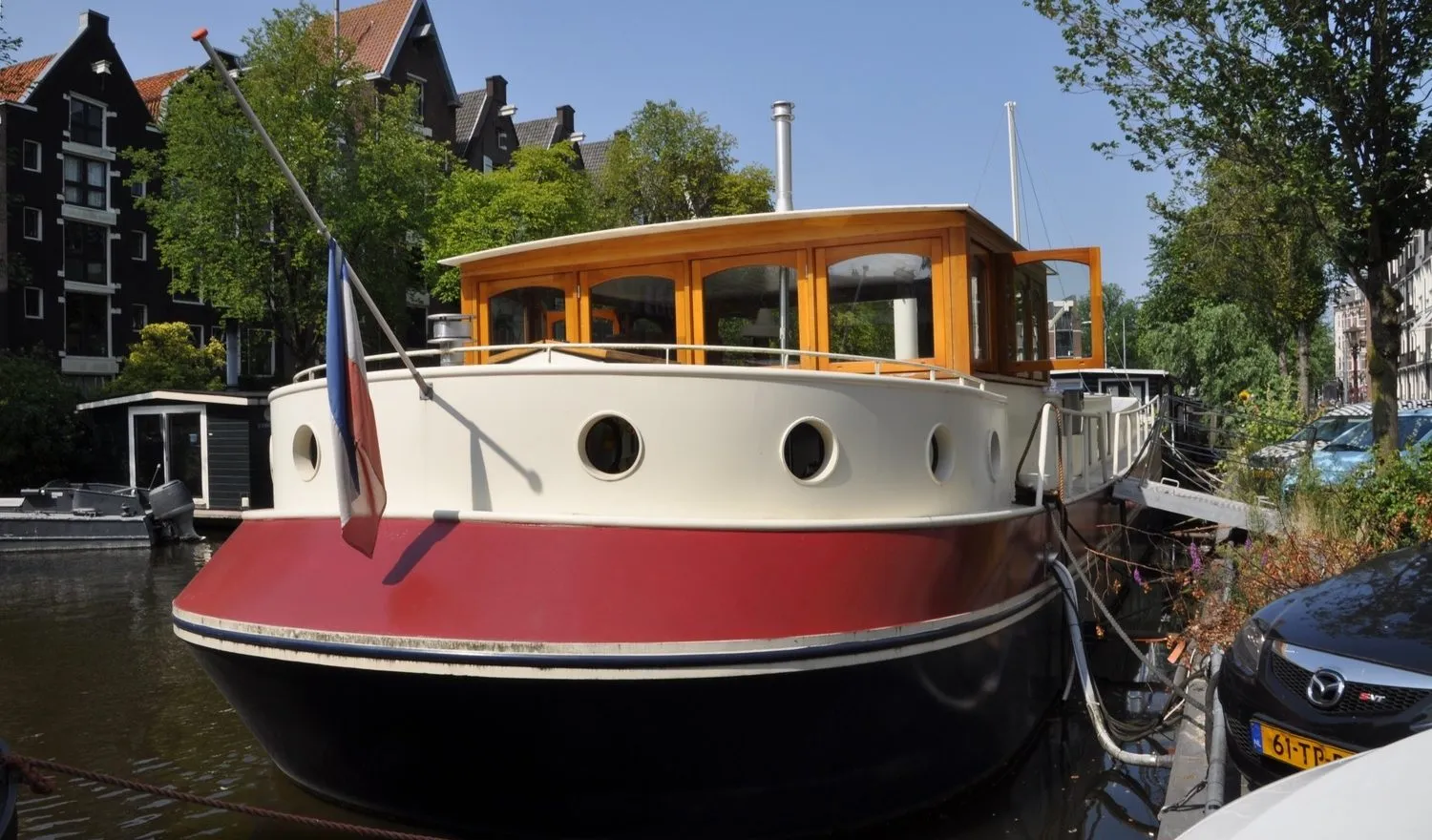
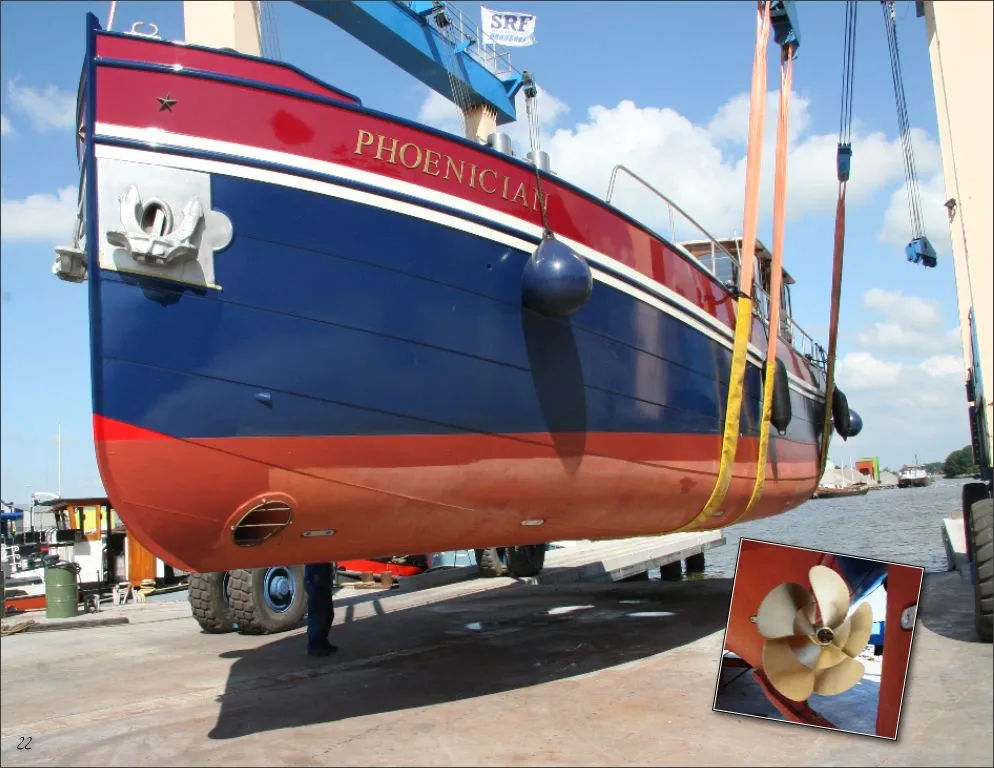
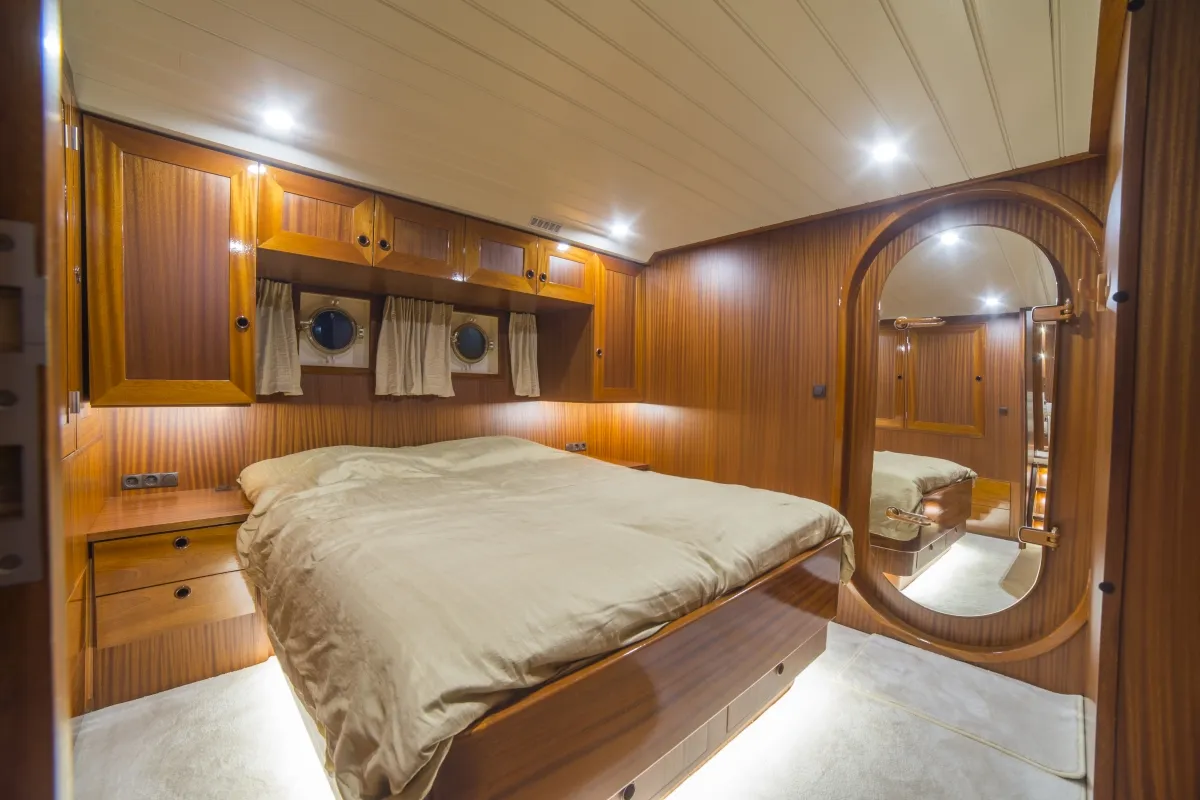
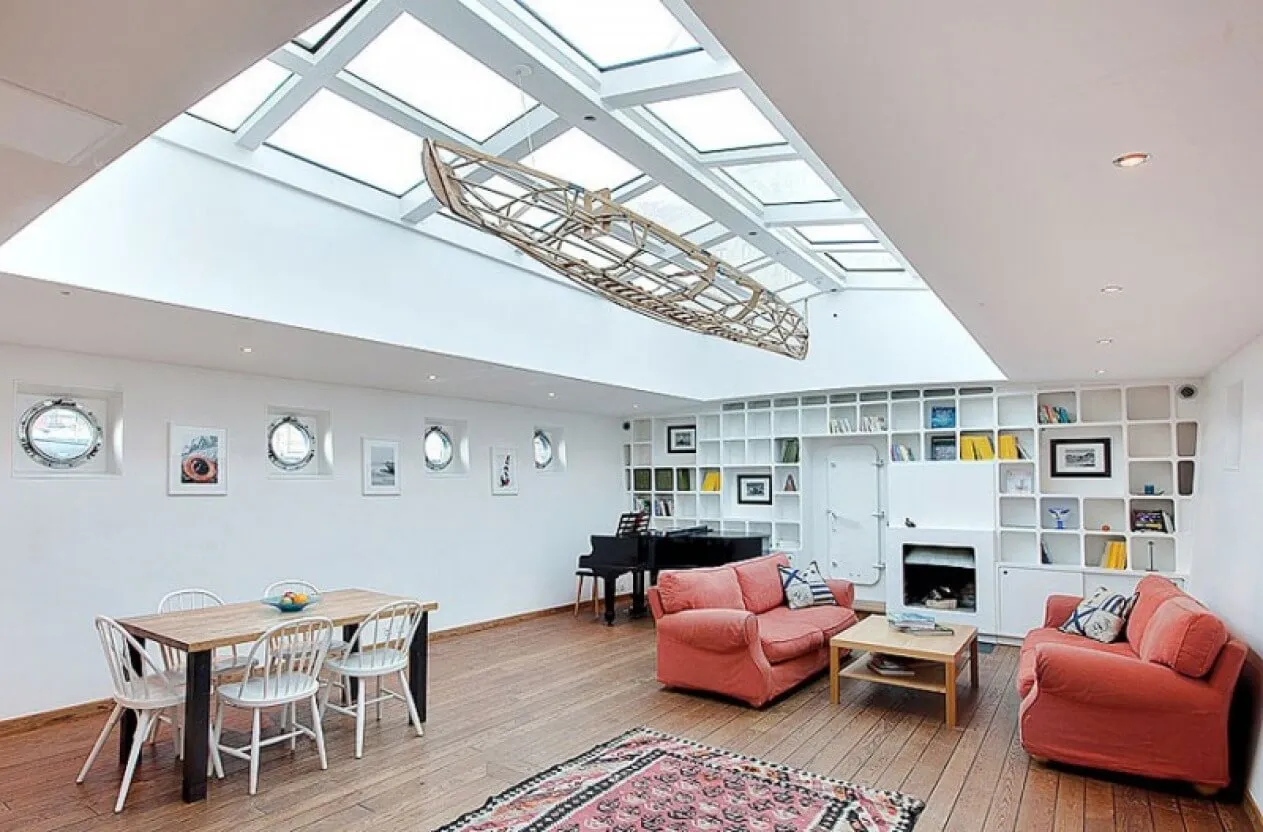
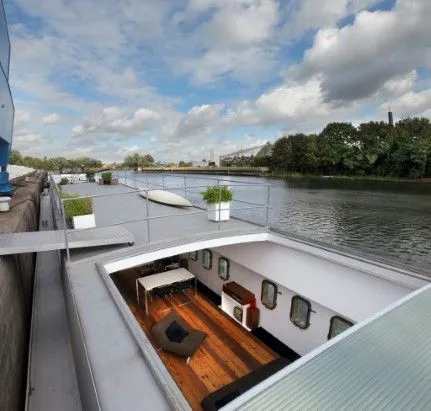
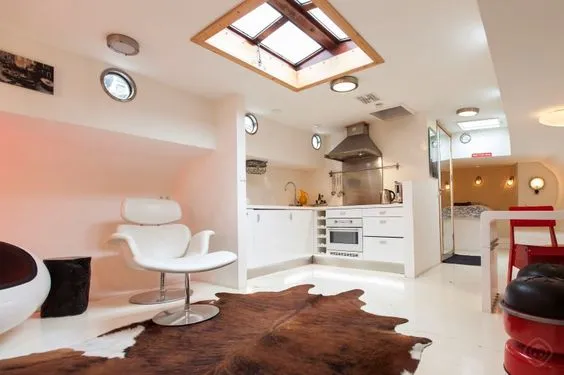
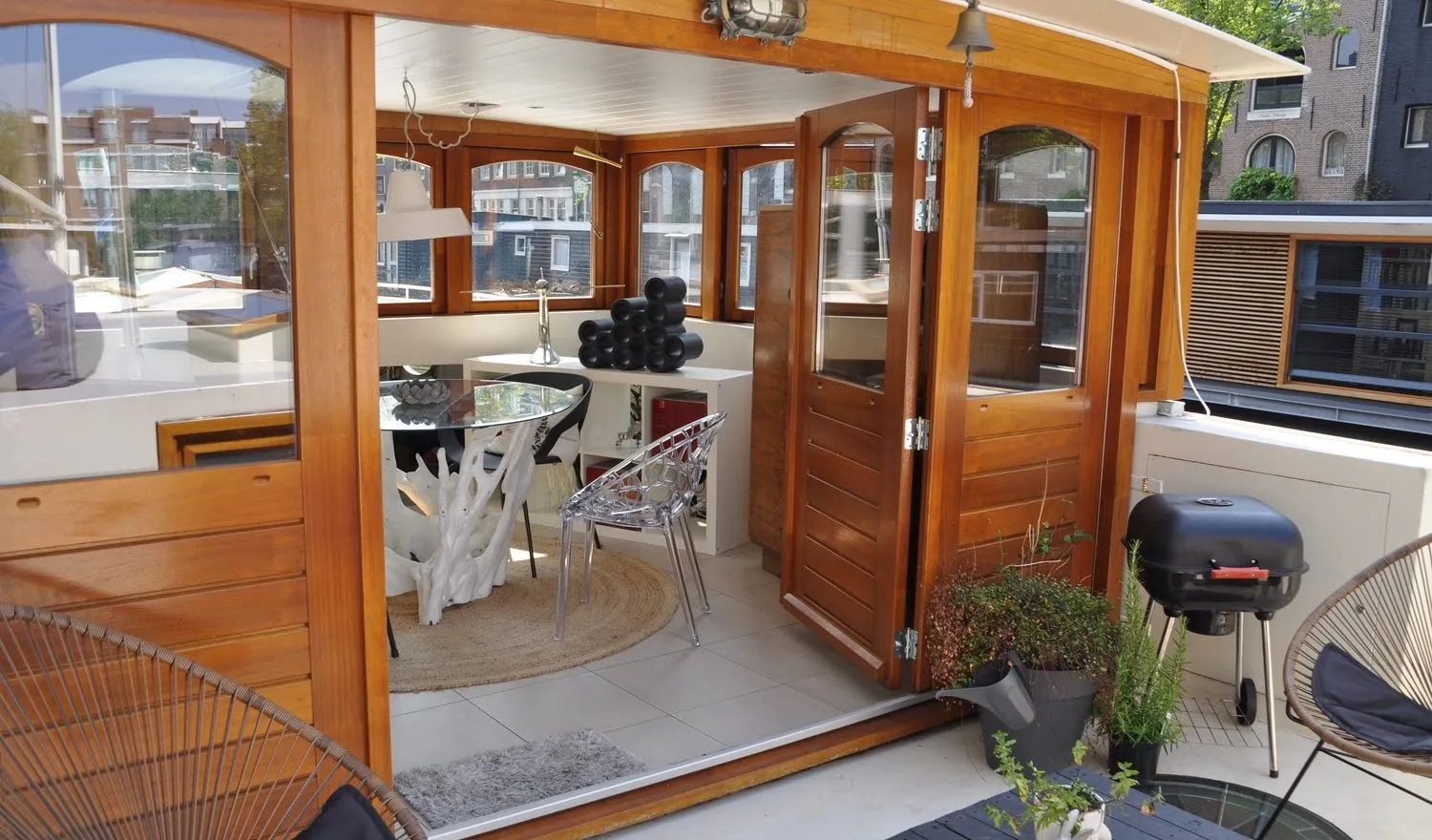
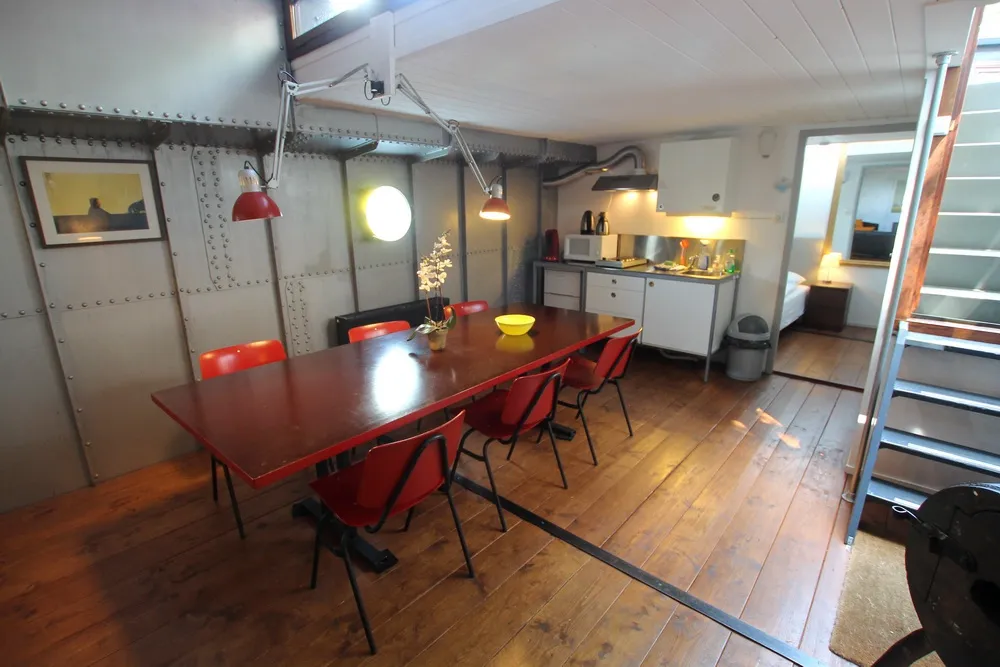
What exactly is a traditional houseboat ship?

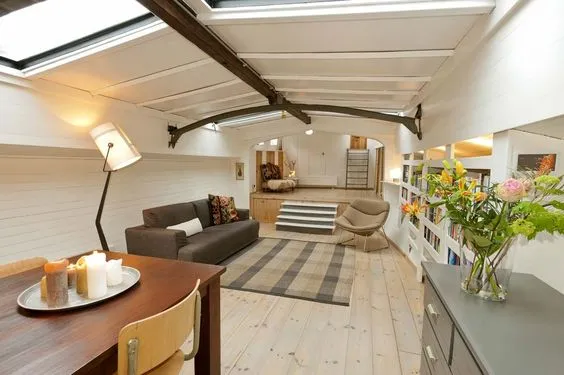
Traditional houseboats offer you a firmly anchored home. In contrast to houseboats, which are motorized and designed for travel, is that houseboat at a fixed location and also has its own address there.

A residential ship can therefore be your primary home!

Since this is not about roadworthiness, discarded passenger or cargo ships are an option — an often cheaper option that makes optimal use of the resource cycle. Many never had an engine and served as accommodation in their first lives, e.g. for power maintenance or maintenance of shipping routes.

By the way, the term in English is used simultaneously with “Floating Homes” used, which are more specially built single-family houses on the water for us.

Traditional houseboats Of course, there are also working motors, albeit as an exception. These ships usually require a special permit to use them as their primary residence.

Where can you find the perfect berth?

Good berths are highly contested, especially in big cities. There are only around 100 seats in Berlin — there is still a lot of catching up to do, especially compared to cities like Amsterdam with 2500 berths for residential ships!

However, this should not stop you, but rather set priorities: First secure the berth, then buy the houseboat. However, it is best to look for places that already exist, because the approval process can be lengthy and expensive. By the way, mooring fees are between 1200 and 6000 euros, depending on the city.

Once you've found the right place, everything goes very quickly and you can report your move to the authorities!

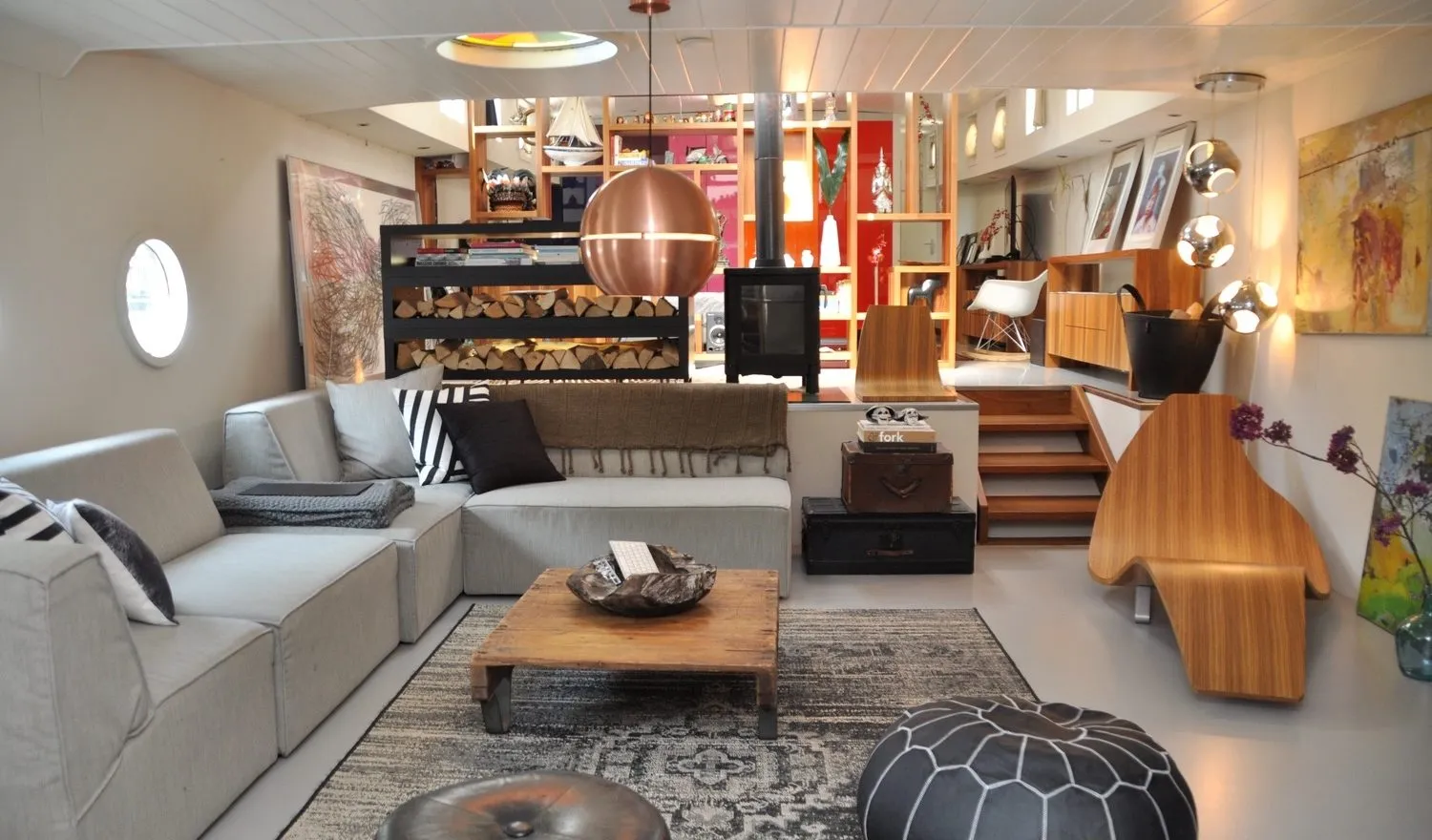
What does life look like on a traditional houseboat ship?

Moving is a big decision. And finally, the long-cherished dream shouldn't suddenly come up with unpleasant everyday surprises.

What you do when living on a houseboat Can expect:

  • Close to water and nature
  • neighbourliness from other enthusiastic houseboat fans
  • Warm living spaces even in winter (e.g. through heating oil systems or solar heating)
  • Manually emptying the ship's own Wastewater and faecal collection plants
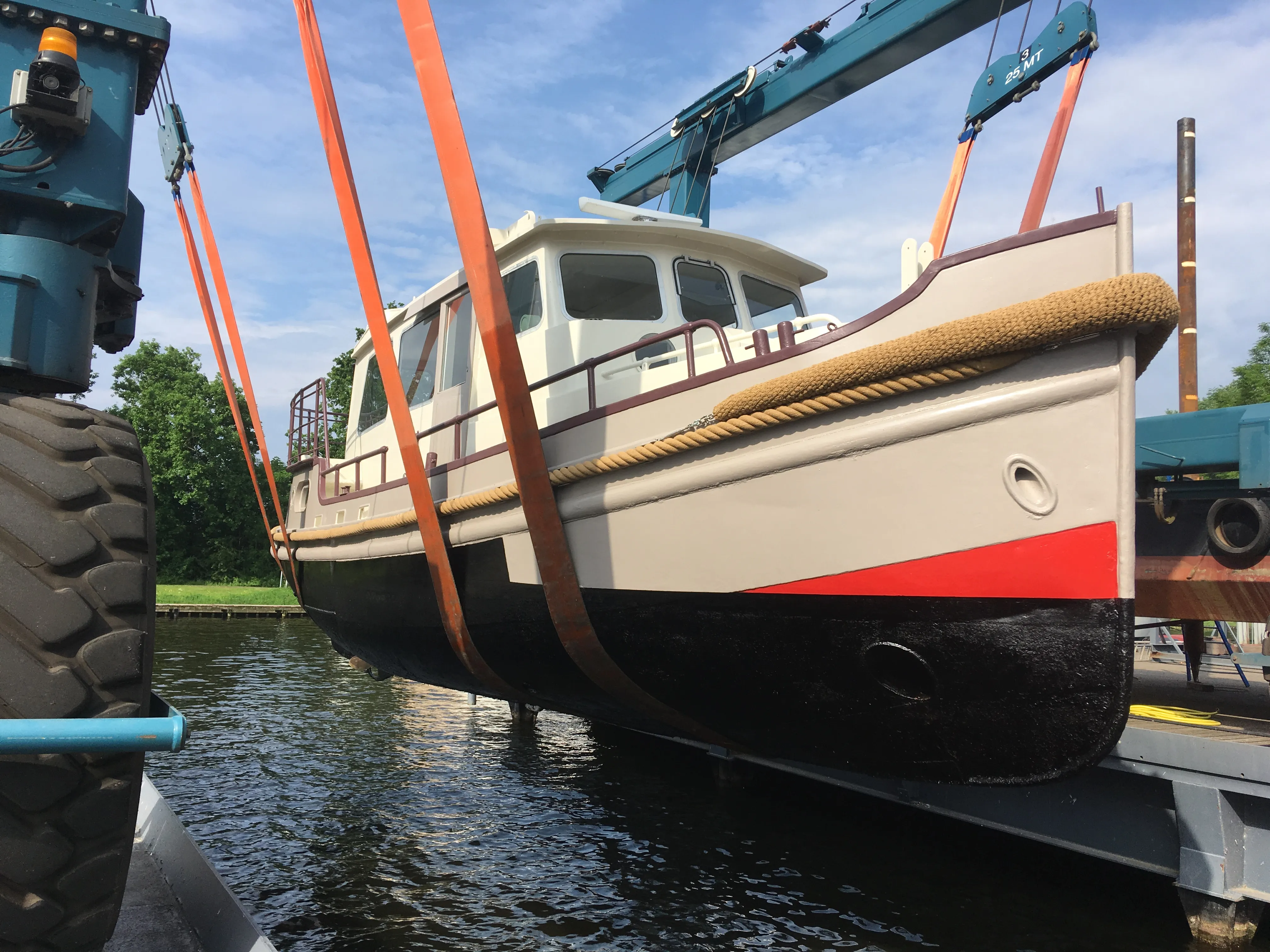
  • Every 4 — 10 years the Inspection by TÜV— on the dry deck!
  • Attachment to swimming pontoons, if your future berth on a body of water with changing water level Lies
  • Fluctuating maintenance costs— such as additional costs in the event of frost and ice.
  • No driver's license required (for ships/boats without engines)

So you don't have to sacrifice convenience — if you maintain the most important infrastructure.

‍

funding

In the past, houseboat financing was difficult because, in contrast to construction financing, it did not offer a land register entry as collateral. However, the situation has improved steadily in recent years, not least due to growing demand. Through our partner comparison portal, you can now discover suitable offers at attractive conditions.

Compare now
length
width
Passage height
Usable area
Remodeled space
prize

Request a houseboat

Vielen Dank für Ihre Nachricht!

Wir melden uns innerhalb von 24 Stunden zurück!
Etwas ging schief. Bitte versuchen Sie es noch einmal.
Dreams fulfilled

Get in touch now

We advise you on the entire process of buying or renting a houseboat.

address

Hausboot-Kompass-Krenke UG (limited liability)
Borsigstraße 29
10115 Berlin

contact
0176 6362 5208
tim.krenke@hausboot-kompass.de
Thank you so much for your message! We'll get back to you within 24 hours!
Something went wrong. Please try again
© 2026 Hausboot-Kompass. All rights reserved.
ImprintData protection
video
Your browser doesn't support HTML5 video tag.
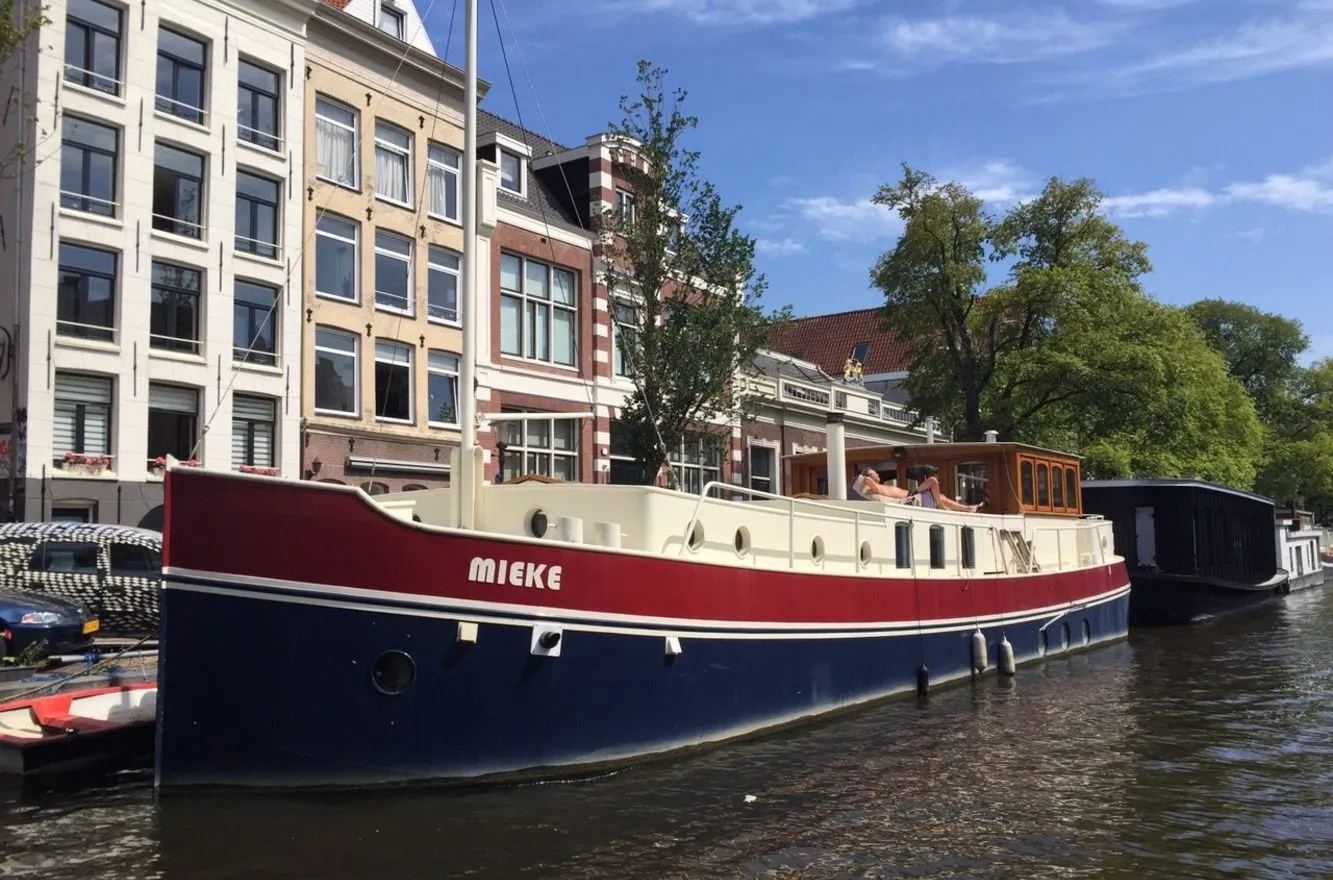
exterior view
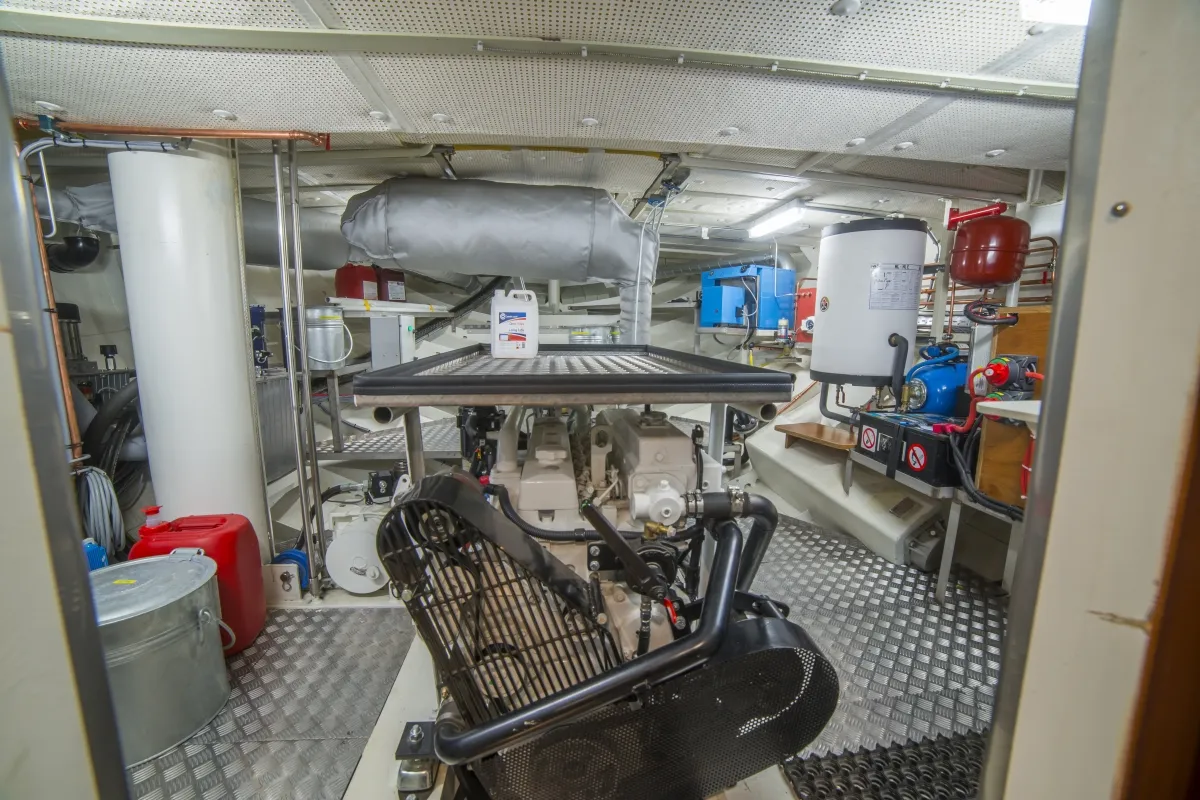
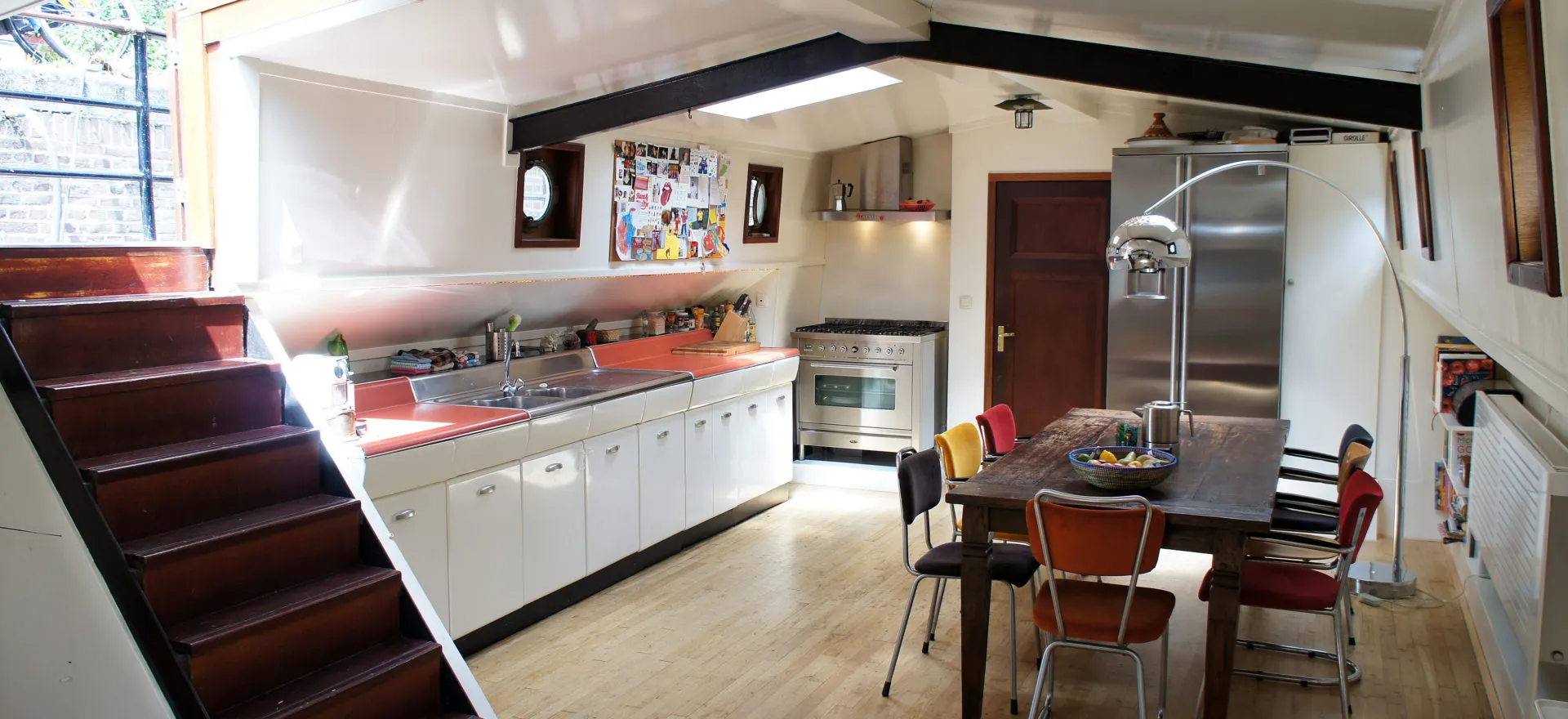
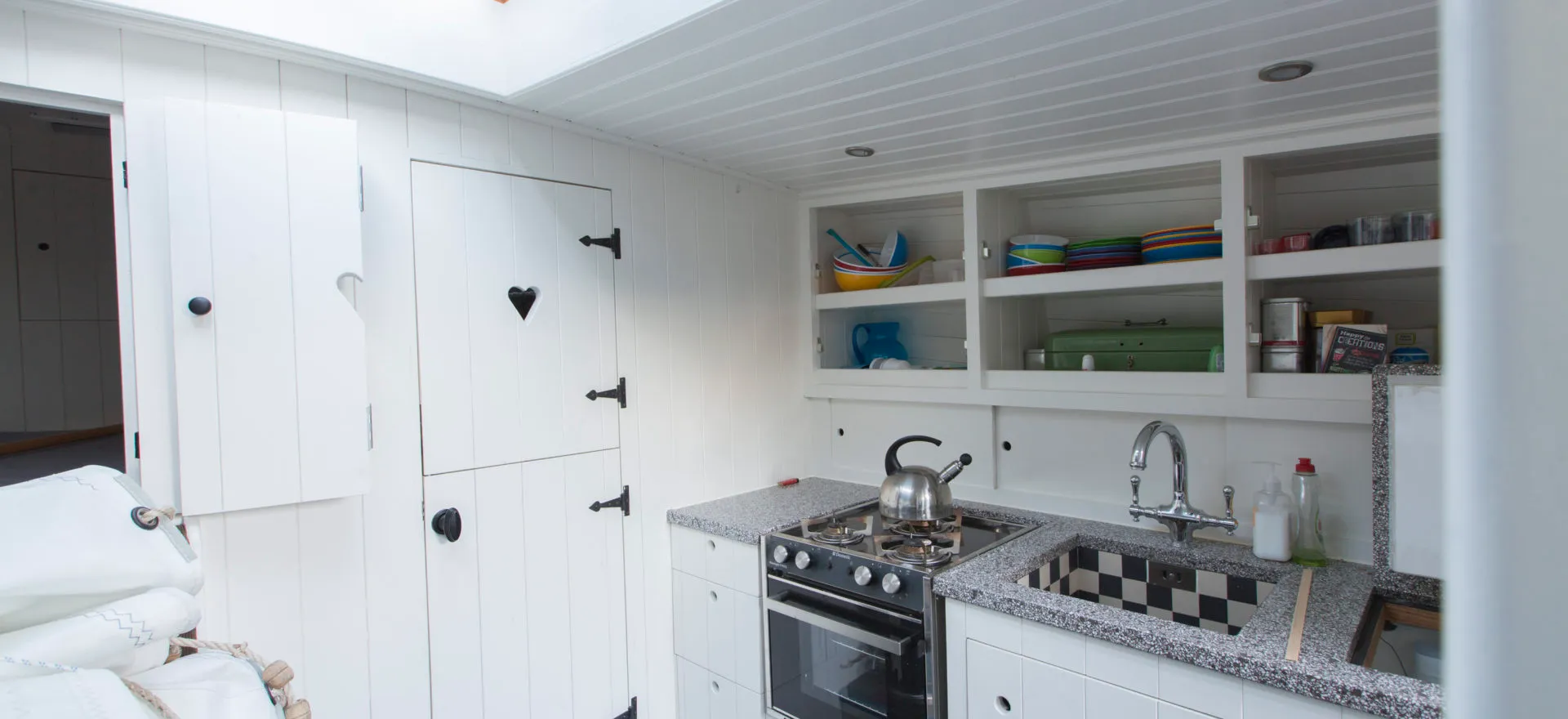
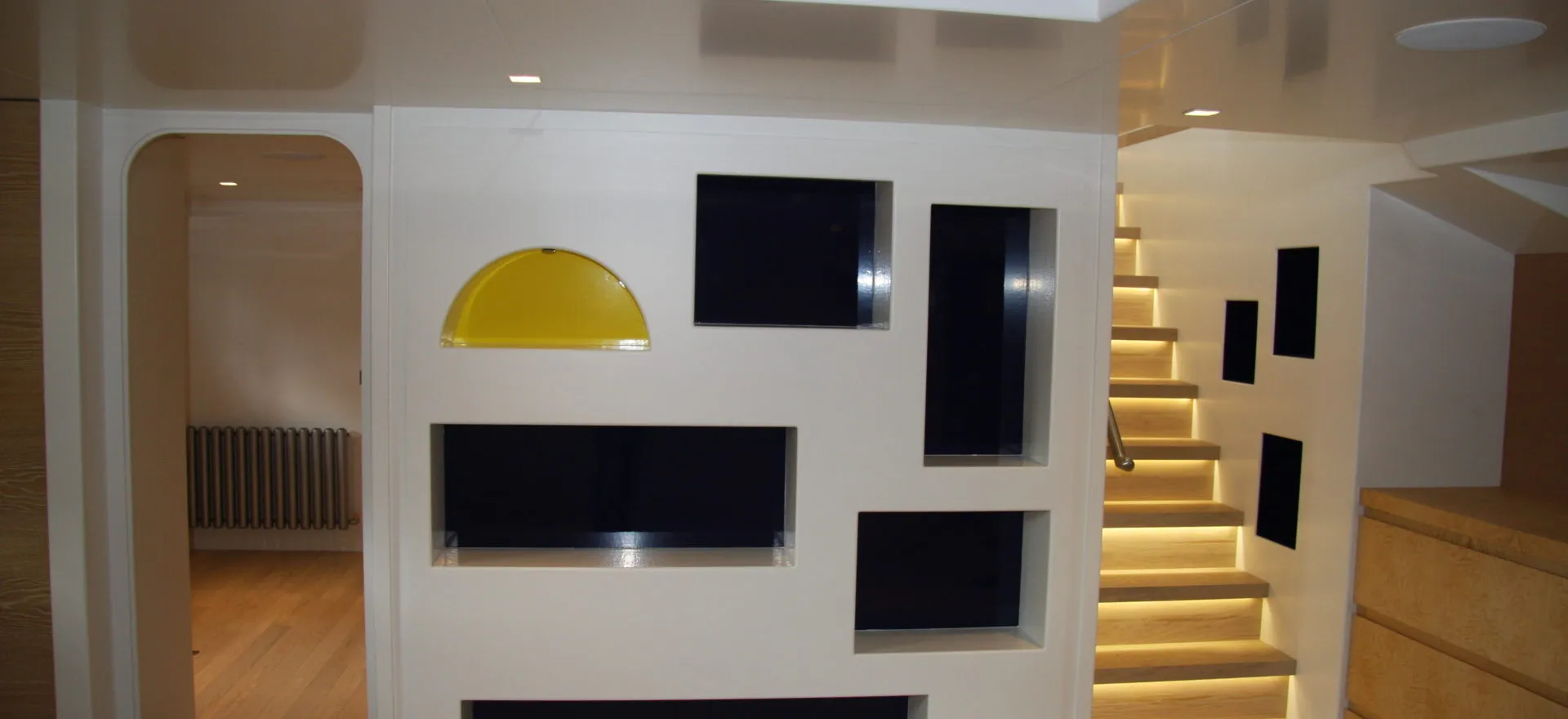
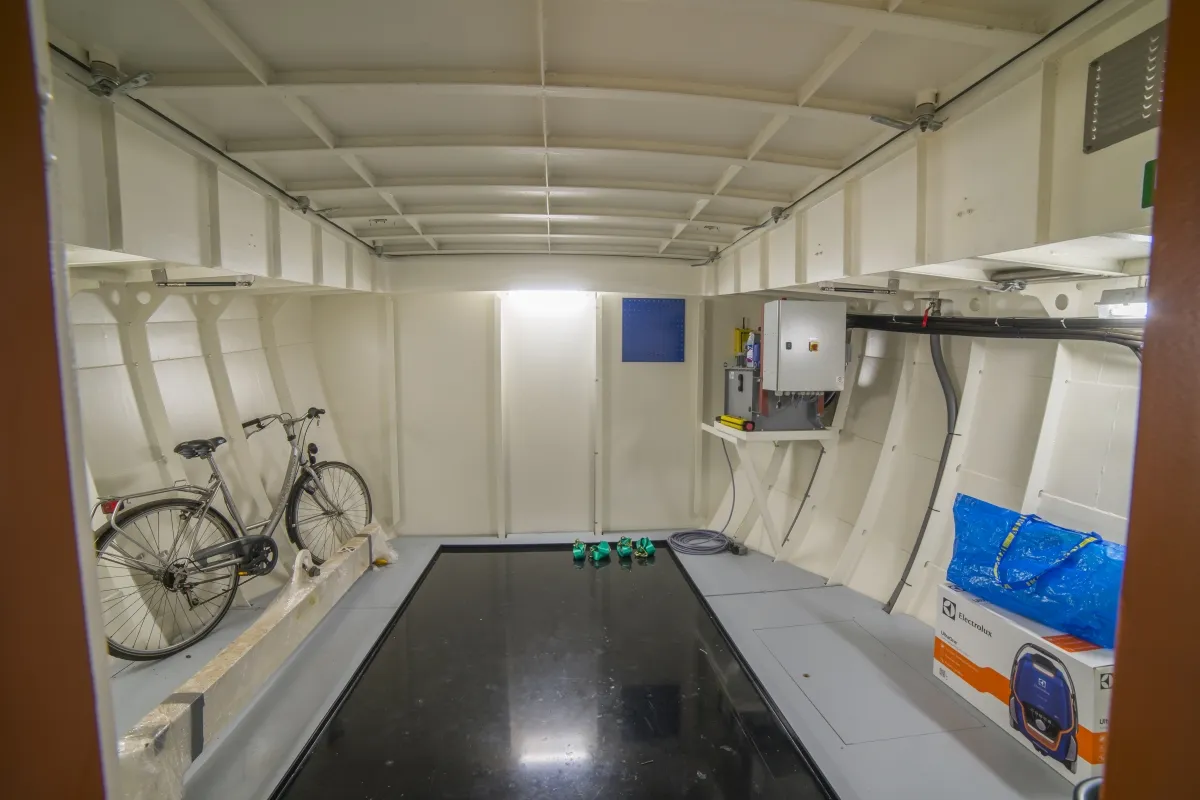
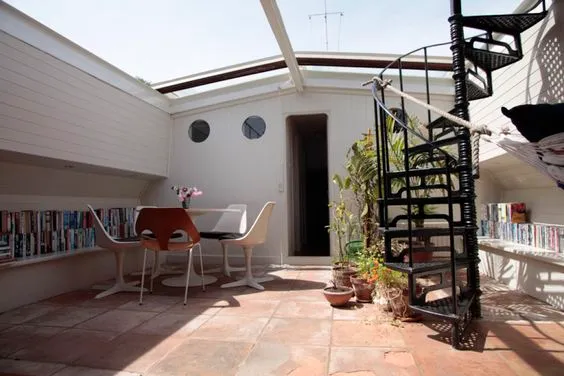
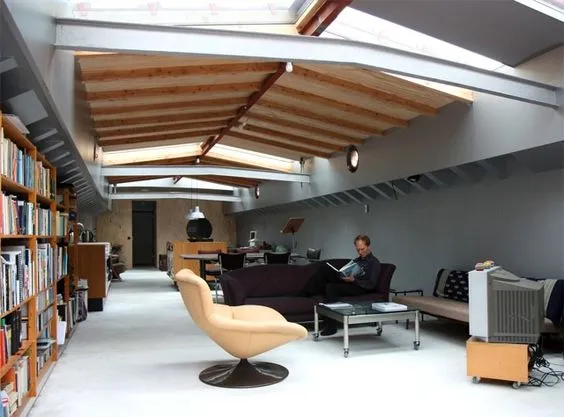
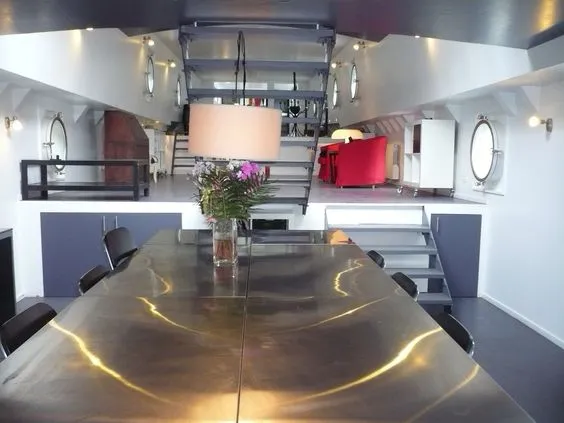
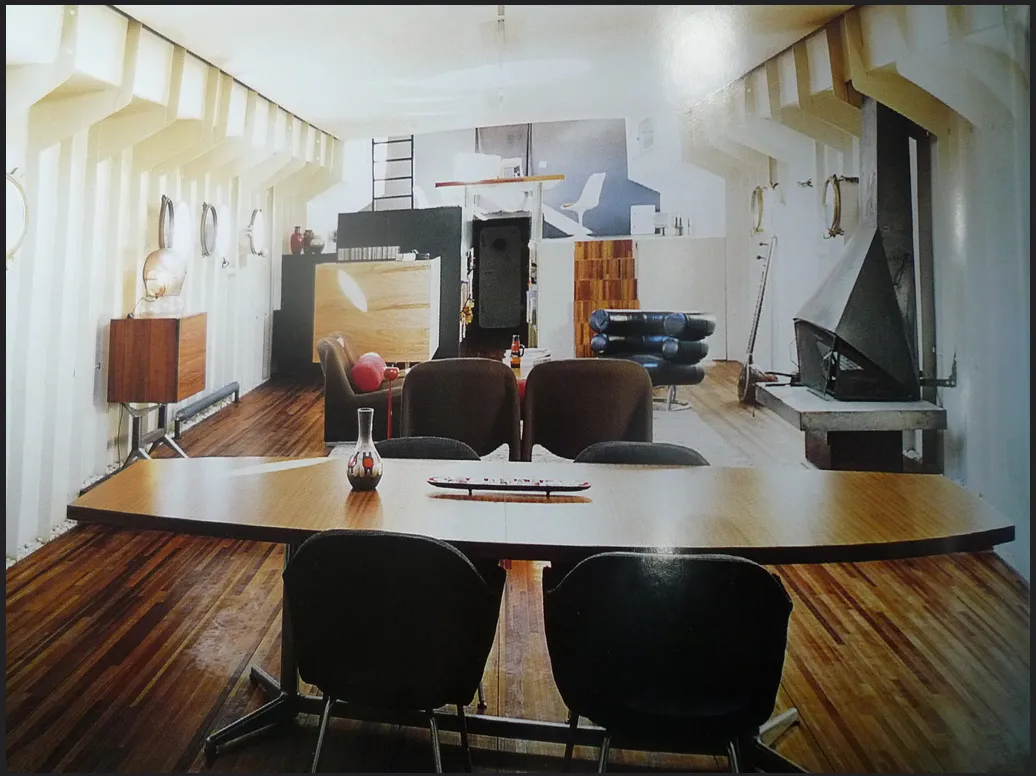
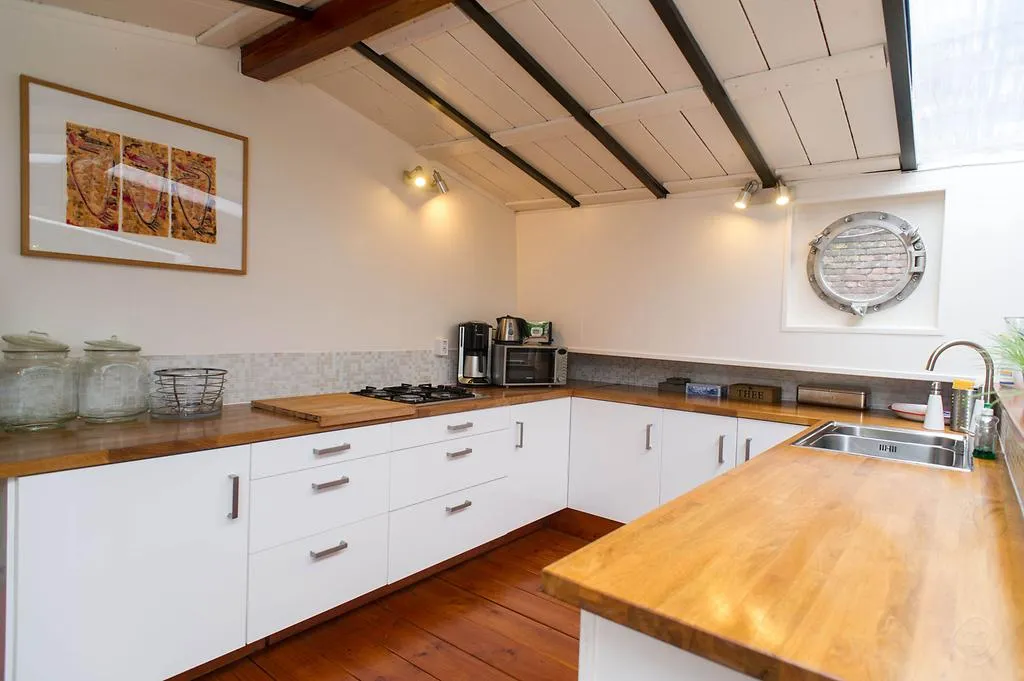
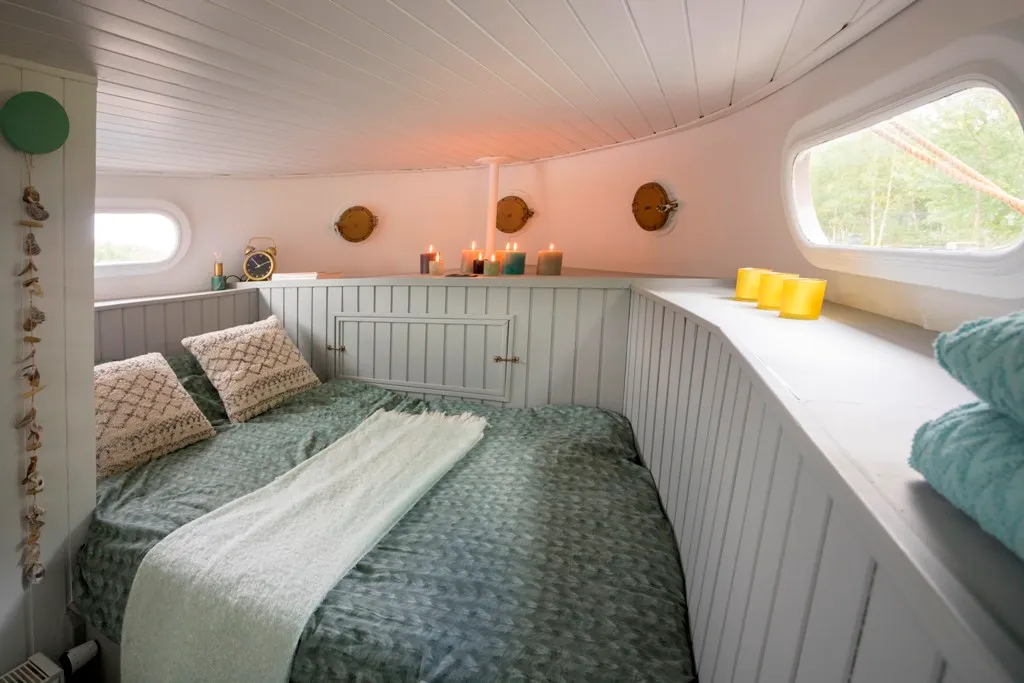
interior views